

By Maurice Massey, Founder of Bridgett Renee Health
You have questions about your health. You have watched the videos, read the articles, and heard recommendations from people who mean well. Yet one question remains:
“Where do I begin?”
When every recommendation points in a different direction, choosing your next step can feel overwhelming. A useful starting point is a conversation about your goals, your questions, and the kind of support you need.
That is where wellness coaching comes in.
What is wellness coaching?
Wellness coaching provides education and support as you explore your everyday habits and personal wellness goals. It creates space to ask questions, clarify priorities, and consider steps that fit your circumstances.
At Bridgett Renee Health, we offer general wellness coaching, diabetes-related wellness support, cancer-related wellness support, and supplement education. Our services are educational and supportive. They do not replace medical diagnosis, treatment, or advice from your healthcare team.
What can you discuss with a wellness coach?
Your questions do not need to be perfectly organized before you reach out. You might want to discuss:
- What you hope to accomplish through wellness coaching.
- Everyday routines you would like to understand or improve.
- Conflicting wellness information you have encountered.
- Questions about supplements that you want to organize for your pharmacist or medical clinician.
- Whether the available coaching services fit your needs.
The purpose of that conversation is to bring your priorities into focus. You should understand what a service offers before deciding to purchase it.
What should you look for in a wellness coach?
Start with clarity. A coach should explain the scope of their services, their background, the fees, and what you can reasonably expect from a session.
Look for someone who listens carefully and respects your questions. Your schedule, responsibilities, and preferences matter when discussing your goals.
Pay attention to how a coach describes results. Guaranteed cures and promises of dramatic changes deserve scrutiny. A responsible coaching relationship respects the role of qualified healthcare professionals and keeps expectations grounded.
What happens during your first conversation with Bridgett Renee Health?
We offer a free 20-minute consultation to discuss your wellness goals, answer questions about our services, and explore whether coaching is a suitable fit.
You can use that time to explain what brought you to us and ask about the available consultation options. It is also an opportunity to understand how our educational support relates to the care you already receive.
For readers who want a longer conversation, our paid consultation options are one hour for $99 or two hours for $149.
How can you prepare?
Before your introductory consultation, write down three things:
- Your most important wellness goal.
- The questions you want answered about coaching.
- What you would need to know before choosing a paid session.
A brief list can help you use the conversation well. There is no need to arrive with a perfect plan.
Your next step can be simple
You deserve a clear explanation of your options and the chance to ask questions before committing to a service.
Start with a conversation.
Visit BridgettRenee.com and select “Book Your Free 20-Minute Consultation.” Tell us what you hope to accomplish, and let’s explore whether Bridgett Renee Health is the right fit for your wellness goals.
About the Author: Maurice Massey
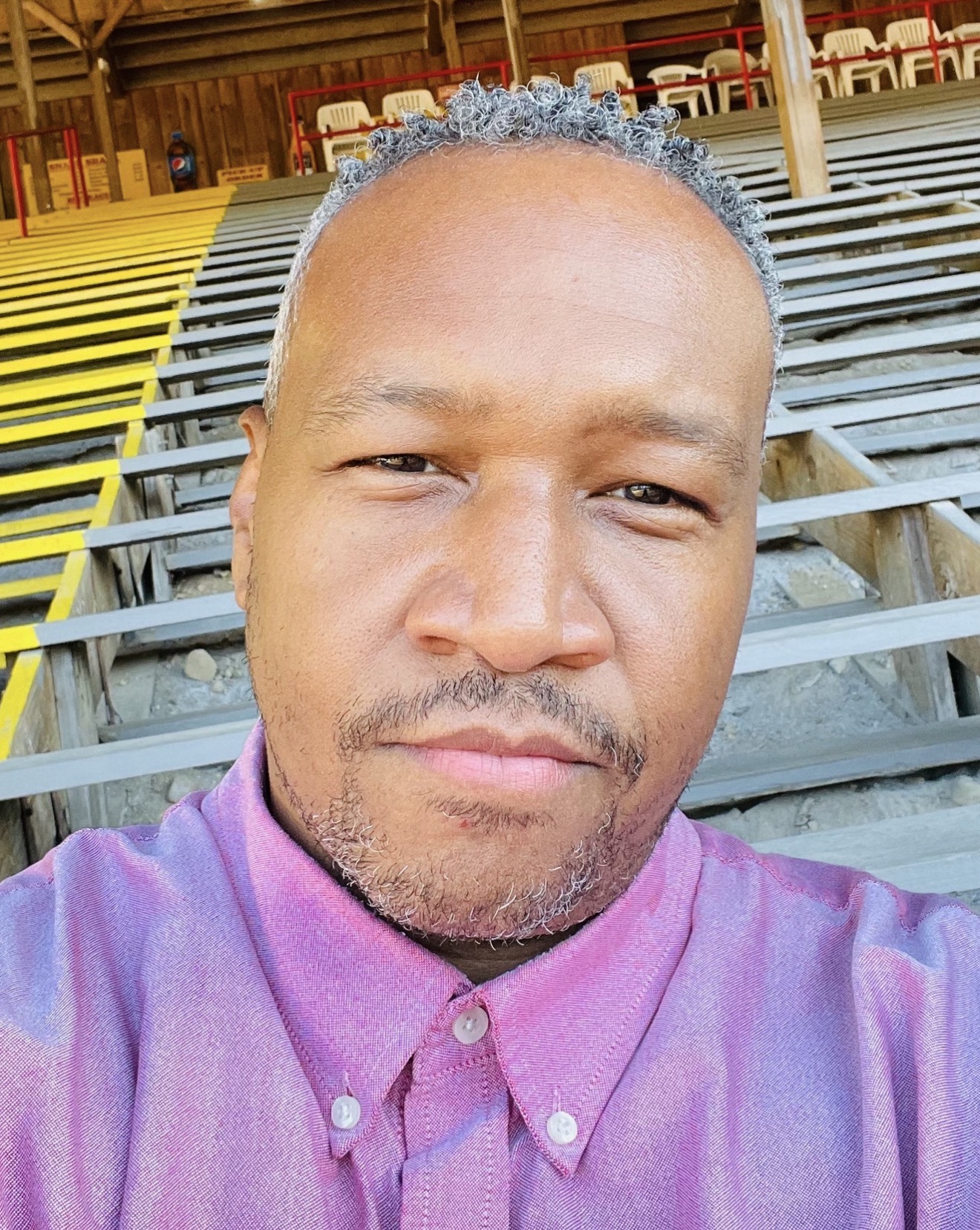
Founder, Bridgett Renee Health
Maurice Massey is the founder of Bridgett Renee Health, with 19 years of hands-on experience coaching clients living with cancer at all stages, diabetes, and autoimmune diseases.
Bridgett Renee Health and this website are dedicated to the memory of his wife, Bridgett Renee. After 30 years of marriage, Maurice lost Bridgett Renee to inflammatory breast cancer in 2016. Her memory inspires his commitment to researching natural wellness approaches, their safety, and their potential role in supporting clients.
His experience includes supporting clients who pursue holistic approaches, as well as those who incorporate complementary wellness practices alongside conventional medical treatment. He brings a personal sense of purpose to his work, emphasizing compassionate support, education, and informed conversations about wellness.
His coaching provides education and support and does not replace medical diagnosis or treatment.