
Commentary by Maurice Massey, Founder, Bridgett Renee Health
Published October 31, 2026 · Revisiting a 2022 expert review
When someone is going through cancer treatment, the nutrition conversation needs to include a practical question: how do we help this person hold on to their strength?
A University of Alberta article draws attention to the role of animal protein in that discussion. Its focus is maintaining muscle and meeting nutritional needs during treatment—not claiming that a particular food cures cancer.
The research behind the headline
The February 10, 2022 Folio article reports on an international expert opinion paper in Clinical Nutrition. The authors reviewed evidence about protein sources and muscle building in people with cancer. This is an expert review, not a new randomized diet trial.
Animal foods such as meat, fish, poultry, eggs and dairy supply amino acids the body uses to build and repair muscle. The experts proposed obtaining at least 65% of total protein from animal sources during active treatment, alongside plant protein. That percentage refers to protein intake, not 65% of calories or the volume of food on a plate.
The authors acknowledge that the ideal mix remains uncertain. They present this proportion as a starting point that needs further research, rather than a universal rule. Carefully planned plant-based eating can also support muscle health, with professional nutrition assessment.
Why strength deserves attention
The Alberta report explains that poor appetite, inactivity and the demands of treatment can contribute to muscle loss. Eating for nutritional support during treatment can therefore involve different priorities from advice aimed at cancer prevention.
In plain language, the goal is to help nourish the person receiving care. Protein quality matters, but so do enough food, tolerable meals and a plan someone can actually follow.
My commentary: animal foods deserve a fair conversation
I have been clear about my interest in carnivore and animal-based approaches. This article gets my attention because it puts a useful question on the table: what does this person need to stay nourished and preserve their strength?
In my view, we should not automatically remove animal foods from a wellness conversation. Nor should we assume that every person needs the same plate. I work with raw-food approaches, carnivore approaches and combinations, and I want the discussion to stay focused on the individual.
I appreciate research that looks beyond food labels and considers what the body needs in a specific situation. To me, protecting strength deserves as much attention as debating which diet has the most appealing name.
That is my perspective as a wellness coach. The authors of this review recommend a combination of animal and plant proteins; they did not establish that an exclusively carnivore diet treats cancer. Their findings deserve to be discussed on those terms.
Turn the article into a useful conversation
If you are in treatment, ask your oncology team or oncology dietitian: “Am I getting enough protein and energy? Am I losing muscle? Which foods and portions fit my situation?” Individual needs, symptoms and medical conditions should guide the plan.
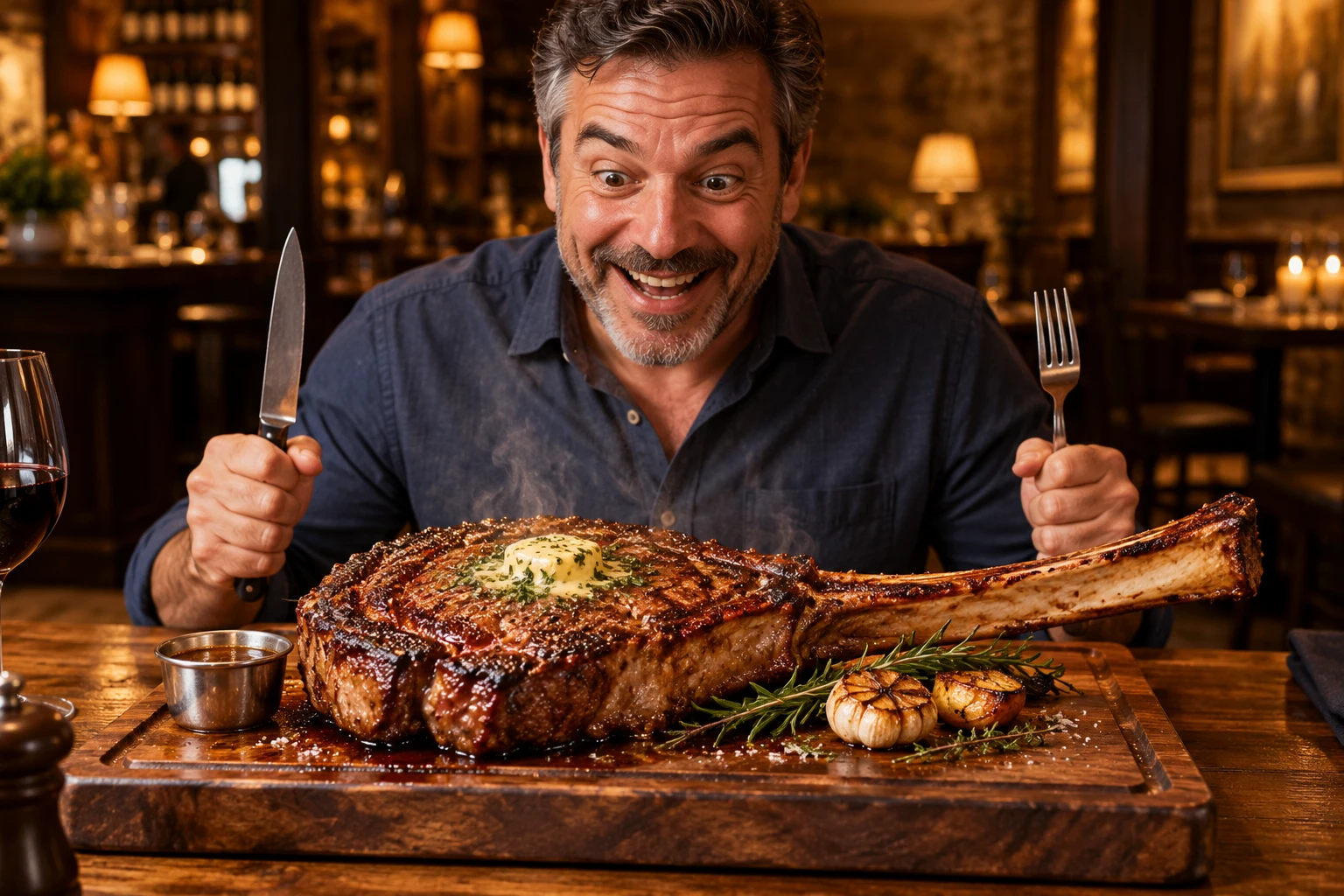
The large steak in our playful, AI-generated illustration is an editorial image—not a recommended portion, a patient testimonial or a cancer-treatment prescription.
For personal wellness education, explore our cancer support coaching or begin with a free 20-minute phone introduction. You can also read our commentary on TVA, animal foods and cancer immunity, which examines a different research question.
Sources and further reading
- University of Alberta, Folio: Animal-based protein recommended for people being treated for cancer. February 10, 2022.
- Ford KL, Arends J, Atherton PJ, et al. The importance of protein sources to support muscle anabolism in cancer: An expert group opinion. Clinical Nutrition 41(1), 192–201 (2022). DOI: 10.1016/j.clnu.2021.11.032.
Independent educational commentary. Bridgett Renee Health is not affiliated with the University of Alberta or the review authors. Coaching does not replace oncology care or individualized medical nutrition therapy.

A note about the author.
Maurice Massey is the founder of Bridgett Renee Health, bringing 19 years of hands-on coaching experience. His work is dedicated to the memory of his wife, Bridgett Renee.
Meet Maurice ↗