
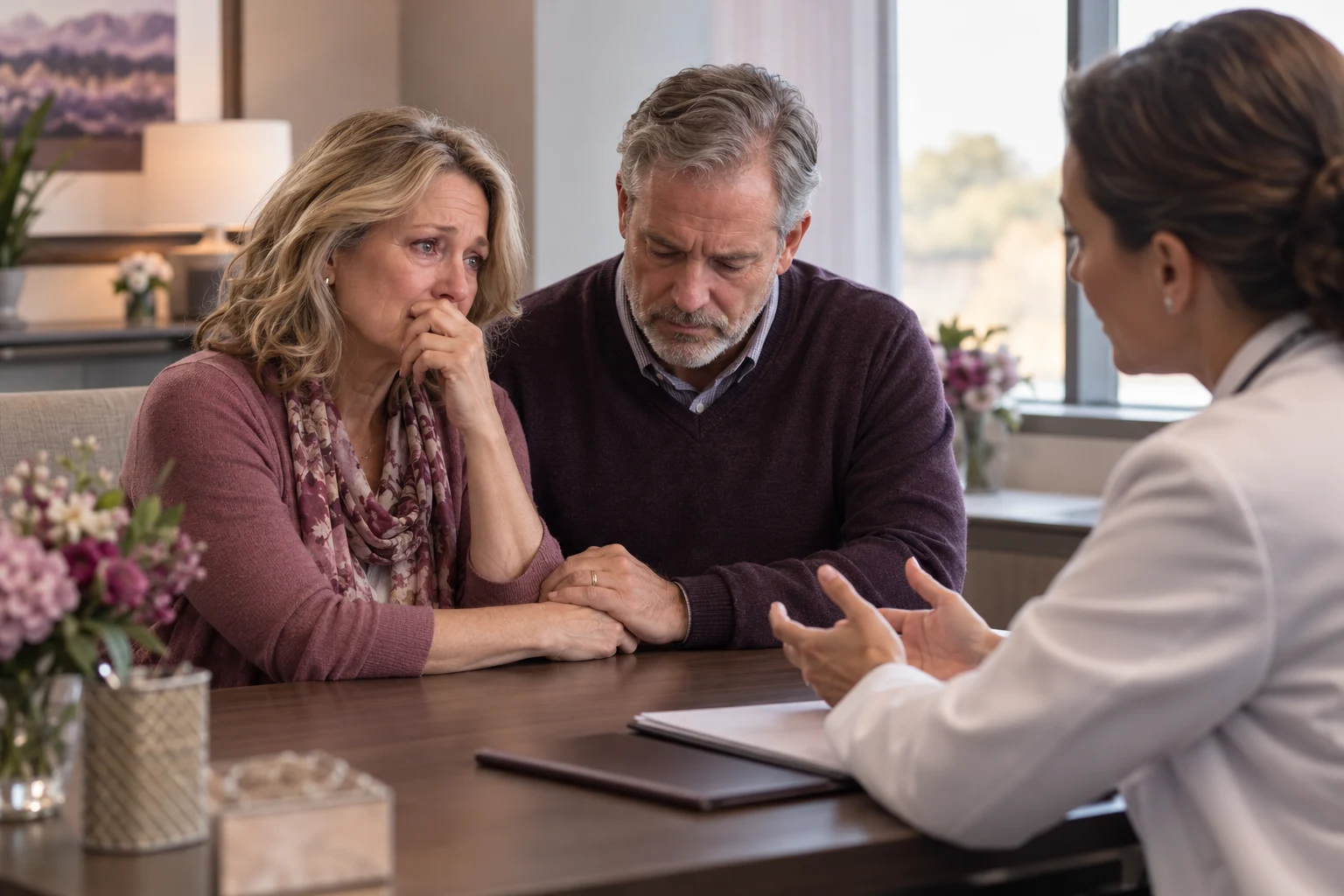
Featured image: AI-generated illustration of a fictional couple and oncologist; not real patients.
Hearing that there are no signs of cancer is a moment worth celebrating. It is also the beginning of a new chapter of care. Keep the appointments, ask questions, and build habits that support your health over time. You deserve both hope and a clear plan for what comes next.
What does “cancer-free” mean?
Ask your oncologist what that phrase means in your case. Complete remission means that signs and symptoms of cancer have disappeared; it does not always establish that every cancer cell is gone. Some people are cured, while others face a risk of recurrence. The meaning and outlook depend on the cancer and the individual. [1]
Why can cancer return?
A recurrence can develop when a small number of cancer cells survive treatment, remain too small to detect, and later grow. It can return near the original site or elsewhere in the body. A new, unrelated cancer is called a second primary cancer. A recurrence does not by itself mean the original treatment was wrong. [2]
It would be inaccurate to say chemotherapy and radiation only shrink cancer, or that cancer never goes away. These treatments can destroy cancer cells and can be part of curative treatment. Nor can we conclude that “cancer stem cells were never killed” in every patient. Recurrence has multiple biological explanations; a universal claim about one untreated root cause oversimplifies it.
Healthy habits matter—without blame
Being active within your abilities, eating well, avoiding tobacco, and discussing alcohol and weight with your care team can support health after treatment. The evidence for lowering recurrence risk varies by cancer type; no routine guarantees protection. A recurrence is not proof that someone ate the wrong food, stopped taking supplements, or failed to try hard enough. [3]
There is no basis for telling every survivor that sugar or seed oils caused their cancer to return. Sustainable changes should fit your nutritional needs, treatment effects, finances, and daily life.
Supplements require an individual conversation
Vitamins, herbs, and supplements are not proven to prevent cancer recurrence. Some may help address a diagnosed deficiency; others can interfere with treatment or cause harm. Review everything you take with your oncology team or pharmacist before starting, stopping, or changing a product. Buying more supplements is not a substitute for follow-up care. [4]
Turn vigilance into a practical plan
- Know your follow-up schedule. Ask which visits, tests, and screenings you need and when.
- Continue prescribed care. Discuss side effects or costs before changing maintenance treatment.
- Ask which symptoms to report. Contact your team about new, persistent, or worsening symptoms rather than waiting for your next appointment.
- Choose manageable habits. Ask for a cancer dietitian, rehabilitation support, or an activity plan if you need help getting started.
- Care for your emotional health. Fear of recurrence is understandable. Ask about counseling, support groups, or survivorship services.
Celebrate progress. Stay connected to care. Ongoing attention to your health can coexist with living fully. If cancer returns, you deserve compassionate support and a fresh discussion of treatment options—not blame.
Bridgett Renee Health offers phone-based wellness education and coaching to help you organize questions and build sustainable routines alongside your medical care. Book a free 20-minute introduction.
Educational information only. Wellness coaching does not diagnose, treat, cure, or prevent cancer and does not replace oncology care.
References
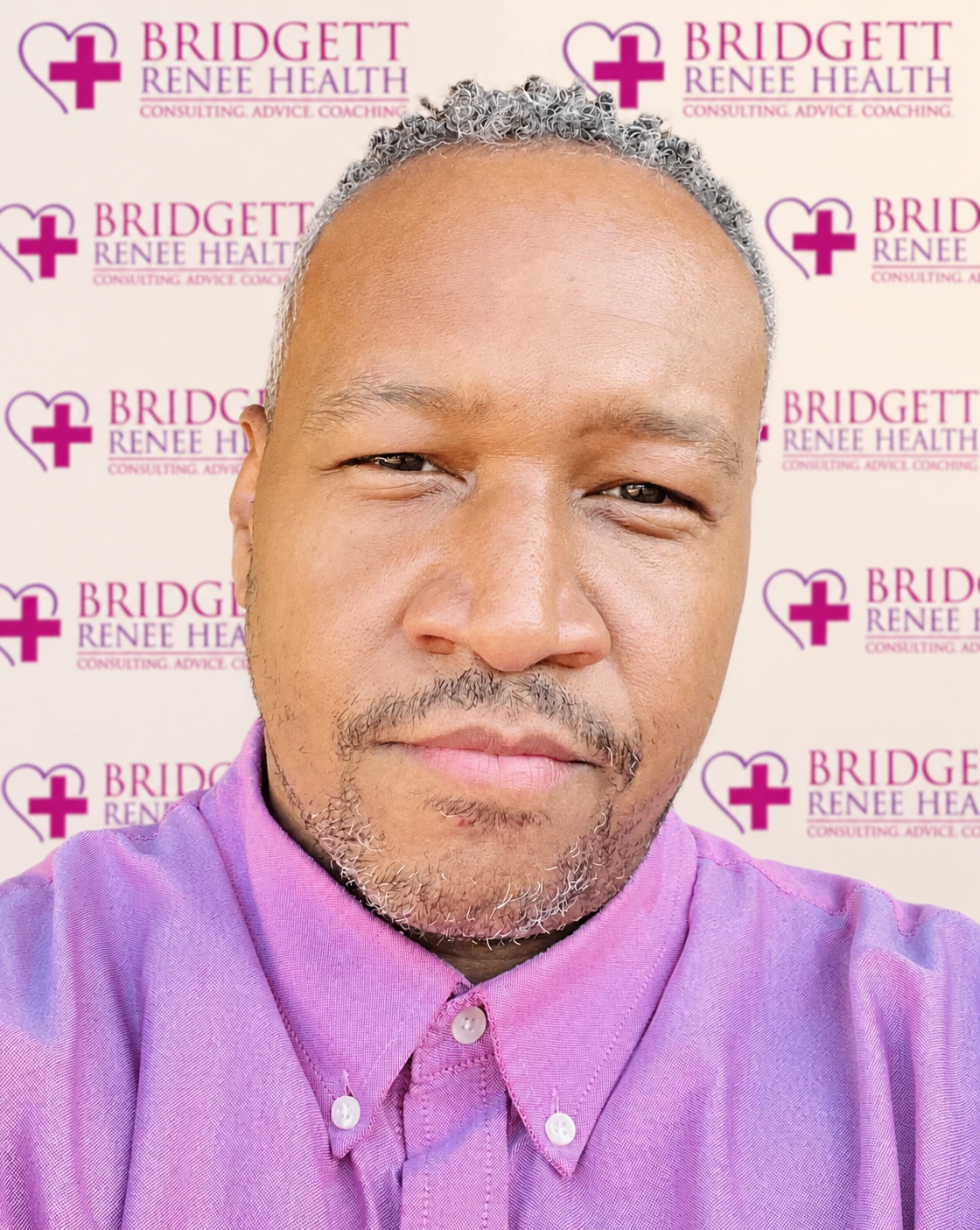
A note about the author.
Maurice Massey is the founder of Bridgett Renee Health, bringing 19 years of hands-on coaching experience. His work is dedicated to the memory of his wife, Bridgett Renee.
Meet Maurice ↗