

Featured image: Original AI-generated illustration for Bridgett Renee Health; not an actual patient or testimonial.
By Maurice Massey, Holistic Wellness Coach and Founder, Bridgett Renee Health. Educational commentary; not medically reviewed.
When someone hears the words “breast cancer,” the questions often extend beyond treatment appointments. How can I find support? What should I ask about complementary therapies? Who can help me organize the information without feeling overwhelmed?
If you are researching Hope4Cancer breast cancer treatment, you may recognize that desire for care that considers the whole person. This independent guide introduces the center’s published approach and offers practical questions to bring to your medical team.
Source credit and independence: This is original commentary by Bridgett Renee Health, referencing Hope4Cancer’s breast cancer treatment page. It is not a reproduction of that page. No affiliation, partnership, or endorsement by Hope4Cancer is claimed.
What does Hope4Cancer describe on its breast cancer page?
Hope4Cancer presents its program as personalized, integrative care. Its description includes nutrition, emotional and spiritual wellbeing, and attention to immune and metabolic factors, alongside diagnostic assessment and targeted therapies. The center organizes its philosophy around its own seven principles.
That is the provider’s account of its program. A treatment center’s website explains what it offers; it does not independently establish that the full program, or each therapy within it, improves breast cancer survival. Readers should request published clinical evidence relevant to their diagnosis before making decisions.
For the center’s own explanation, visit the original Hope4Cancer breast cancer resource.
Integrative, complementary, and alternative care: why the distinction matters
The National Cancer Institute describes complementary care as approaches used alongside standard treatment, and alternative care as approaches used in its place. Integrative care combines conventional care with complementary practices supported by evidence of safety and effectiveness.
Those distinctions help clarify what a program is actually proposing. Ask whether a recommendation supports your oncology treatment, changes it, or replaces it—and who will coordinate those decisions with your oncologist.
Whole-person support deserves careful evidence
The National Center for Complementary and Integrative Health reports that some approaches, including mindfulness, yoga, and acupuncture, may help with certain symptoms or treatment side effects. Evidence for symptom relief is different from evidence that a therapy controls a tumor or extends life.
NCCIH also states that no complementary health approach has been shown to prevent or cure cancer. Some herbs and supplements can interfere with treatment. Review products and practices with your oncology team before starting them, and do not replace or delay recommended cancer care with unproven approaches.
Six questions to ask before choosing an integrative breast cancer program
- What evidence applies to my diagnosis? Ask for published human studies involving the same breast cancer subtype and stage, rather than testimonials alone.
- What is the goal of each therapy? Separate comfort, nutrition, and quality-of-life goals from claims about tumor response or survival.
- How will my clinicians communicate? Ask who shares records, reviews interactions, and manages complications.
- What are the risks and uncertainties? Request clear information about adverse effects, evidence gaps, and reasons a therapy might be unsuitable.
- What will the complete program cost? Get written details on treatment, travel, testing, follow-up, and potential additional charges.
- How will progress be assessed? Ask which objective measures will be used, when reassessment occurs, and what would trigger a change in plan.
Where holistic cancer coaching fits
At Bridgett Renee Health, our holistic cancer coaching focus is education, listening, and practical support. A coaching conversation can help you organize questions, identify the support you want, and prepare to discuss wellness choices with your licensed clinicians.
Coaching does not diagnose breast cancer, prescribe treatment, or establish whether a particular clinic’s program is right for you. Medical treatment decisions belong with you and your qualified oncology team.
If you are exploring integrative breast cancer support and want help organizing your next questions, Bridgett Renee Health offers phone-based wellness coaching. Book a free 20-minute consultation to discuss your support needs.
Sources and further reading
- Hope4Cancer: Integrative Breast Cancer Treatment — the provider’s description, credited as the resource discussed here.
- National Cancer Institute: Complementary and Alternative Medicine — terminology and guidance.
- NCCIH: Cancer and Complementary Health Approaches — evidence and safety information.
Sources accessed October 22, 2026. This educational article is not personalized medical advice.
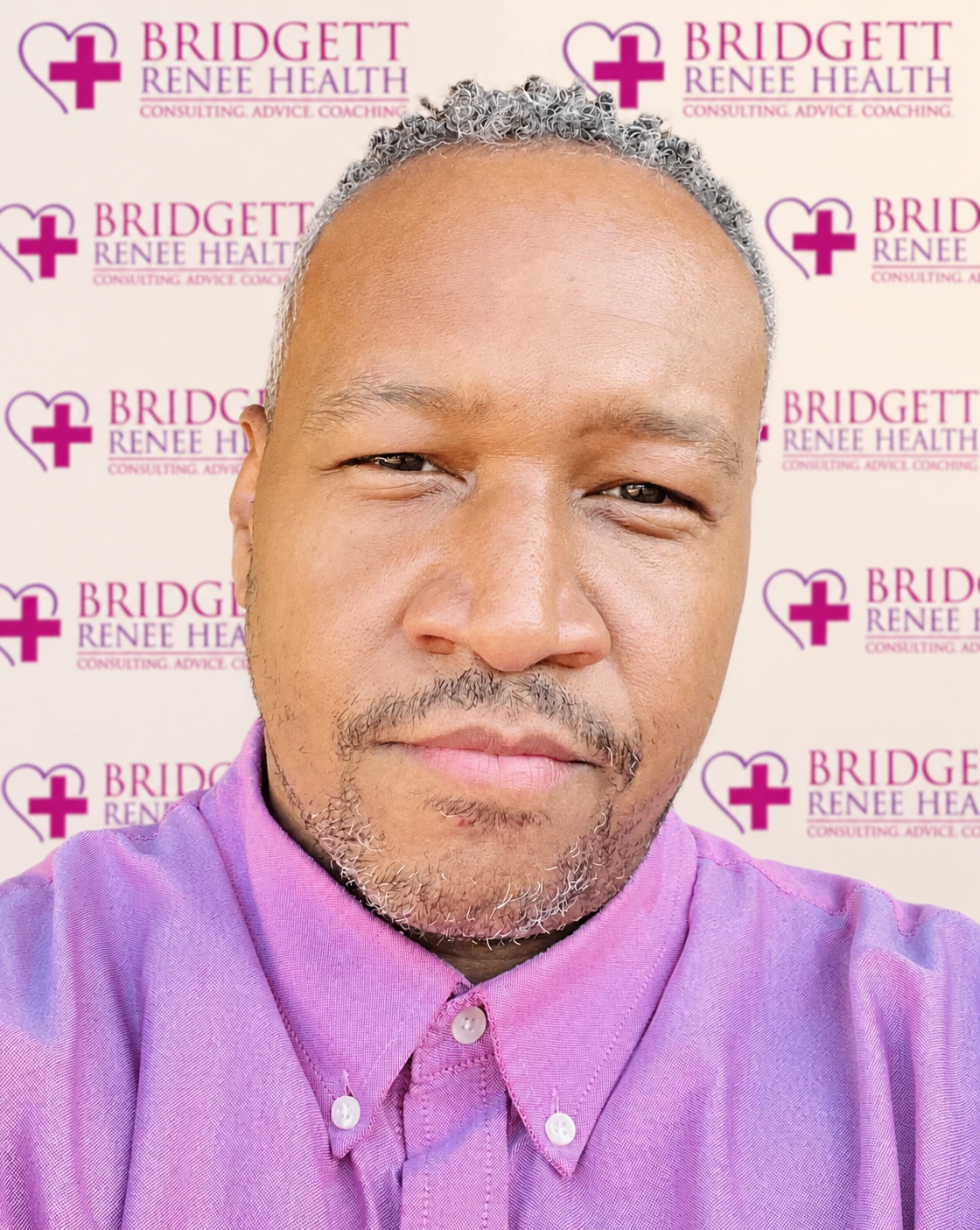
A note about the author.
Maurice Massey is the founder of Bridgett Renee Health, bringing 19 years of hands-on coaching experience. His work is dedicated to the memory of his wife, Bridgett Renee.
Meet Maurice ↗