

Featured image: Original AI-generated illustration for Bridgett Renee Health; not an actual research team or evidence of a treatment result.
By Maurice Massey, Founder and Holistic Wellness Coach, Bridgett Renee Health. Educational video commentary; not medically reviewed.
Ivermectin and mebendazole in cancer treatment are receiving attention in discussions about repurposing existing medicines. In the video below, shared on the Bridgett Renee Health YouTube channel, Dr. William Makis presents his view that these drugs may have potential in integrative cancer care.
Evidence context: This is a discussion of an investigational approach, not an established cancer treatment recommendation. Laboratory findings and personal accounts do not establish that a drug improves survival in people. Do not replace or delay recommended oncology care or start these medicines for cancer without discussing the evidence, risks and interactions with your oncology team.
Watch: Dr. Makis discusses ivermectin and mebendazole
Watch this video directly on YouTube · Source: Bridgett Renee Health. The speaker’s views are presented for discussion; the independent references below provide clinical context.
Video description
This video introduces Dr. William Makis’s perspective on ivermectin and mebendazole as possible candidates for drug repurposing in cancer care. It offers a starting point for questions about research, evidence quality and the difference between a proposed use and a proven treatment. This accompanying article does not provide a dosing protocol or claim that either medicine cures cancer.
Ivermectin: research interest is different from proven benefit
The American Cancer Society states that ivermectin is not approved to treat cancer and that clinical guidelines do not recommend it as a cancer treatment. Available research has not established its effectiveness against cancer in people. The Society also highlights side effects, potentially serious toxicity at high doses, and possible interactions with cancer treatment. [1]
A National Cancer Institute listing describes a study proposed to evaluate ivermectin with pembrolizumab for metastatic triple-negative breast cancer. The listing currently marks that trial as withdrawn. A trial listing describes a research question; it is not evidence that the combination works. [2]
Mebendazole: human results also matter
In a small phase 2a study published in Scientific Reports, researchers evaluated mebendazole in people with advanced gastrointestinal cancer whose disease was no longer amenable to standard treatment. All treated patients experienced rapid disease progression. These findings did not demonstrate benefit in that setting. The study’s small size and heavily pretreated population also limit broader conclusions; they do not establish an effective cancer regimen. [3]
Questions to bring to your oncology team
- Is there a published human study involving my exact cancer type and stage?
- Does the study show improved survival or quality of life, or only laboratory activity?
- What side effects, drug interactions and monitoring requirements would matter for me?
- Is there a suitable clinical trial, and could off-label medicines affect my eligibility?
Curiosity can support an informed conversation. Bring the video and its claims to your licensed clinicians so they can help assess what applies to your situation. BRH offers cancer wellness education and coaching to help organize questions alongside medical care; coaching does not prescribe medicines or replace oncology treatment.
References and source video
- American Cancer Society / ASCO: What to Know About Ivermectin. May 21, 2026.
- National Cancer Institute: Ivermectin and Pembrolizumab for Metastatic Triple Negative Breast Cancer. Trial status listed as withdrawn when accessed.
- Mansoori et al.: A phase 2a clinical study on individualized mebendazole in advanced gastrointestinal cancer. Scientific Reports, 2021. DOI: 10.1038/s41598-021-88433-y.
- Source video: Dr. Makis discusses ivermectin and mebendazole. Bridgett Renee Health on YouTube.
References checked October 23, 2026. This article is general education, not personalized medical advice. Research and trial availability may change.
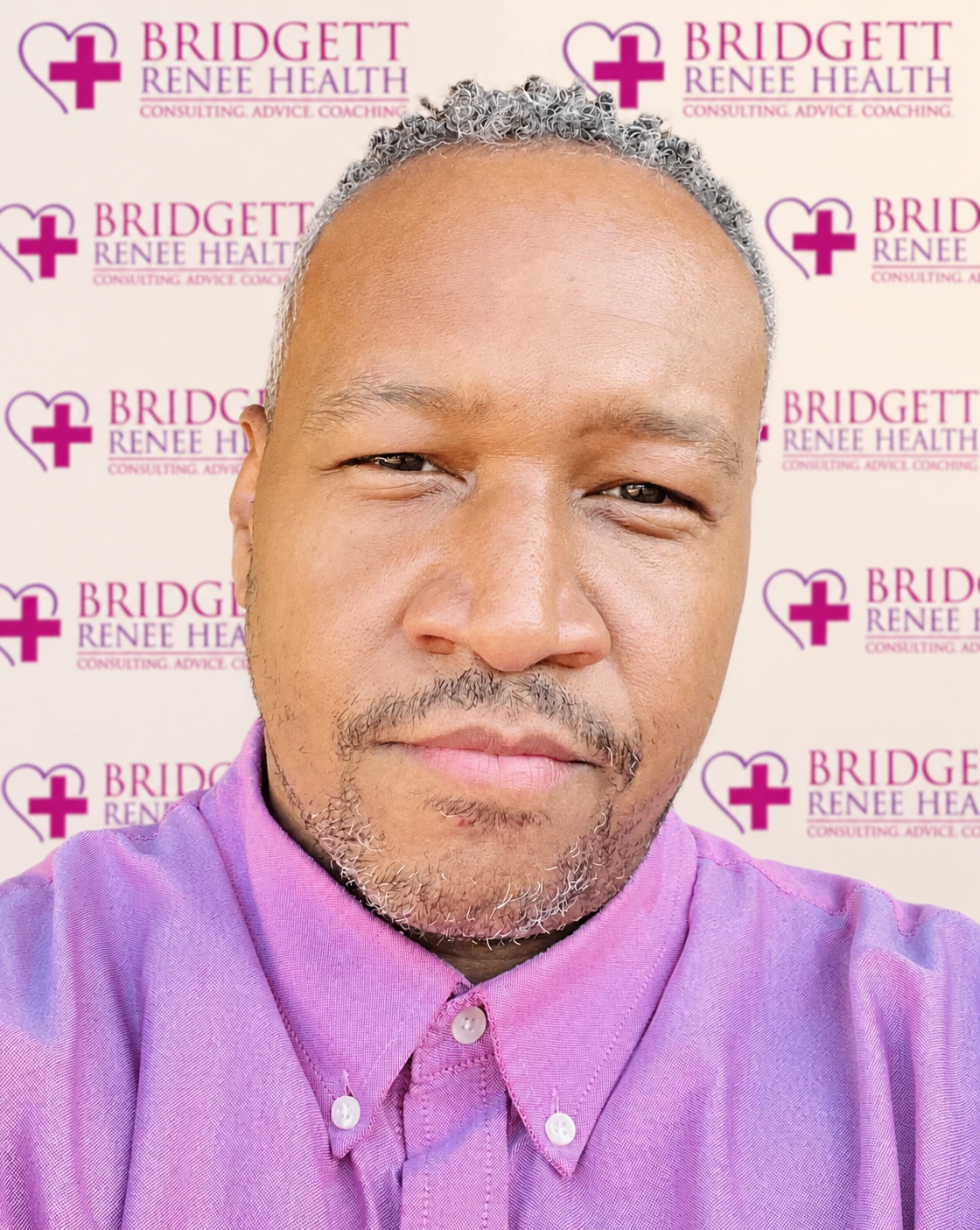
A note about the author.
Maurice Massey is the founder of Bridgett Renee Health, bringing 19 years of hands-on coaching experience. His work is dedicated to the memory of his wife, Bridgett Renee.
Meet Maurice ↗