
What prostate research and women’s sexual wellbeing can teach us about keeping intimacy alive through the years.
Commentary by Maurice Massey, Founder, Bridgett Renee Health
Who decided that growing older means retiring the bedroom?
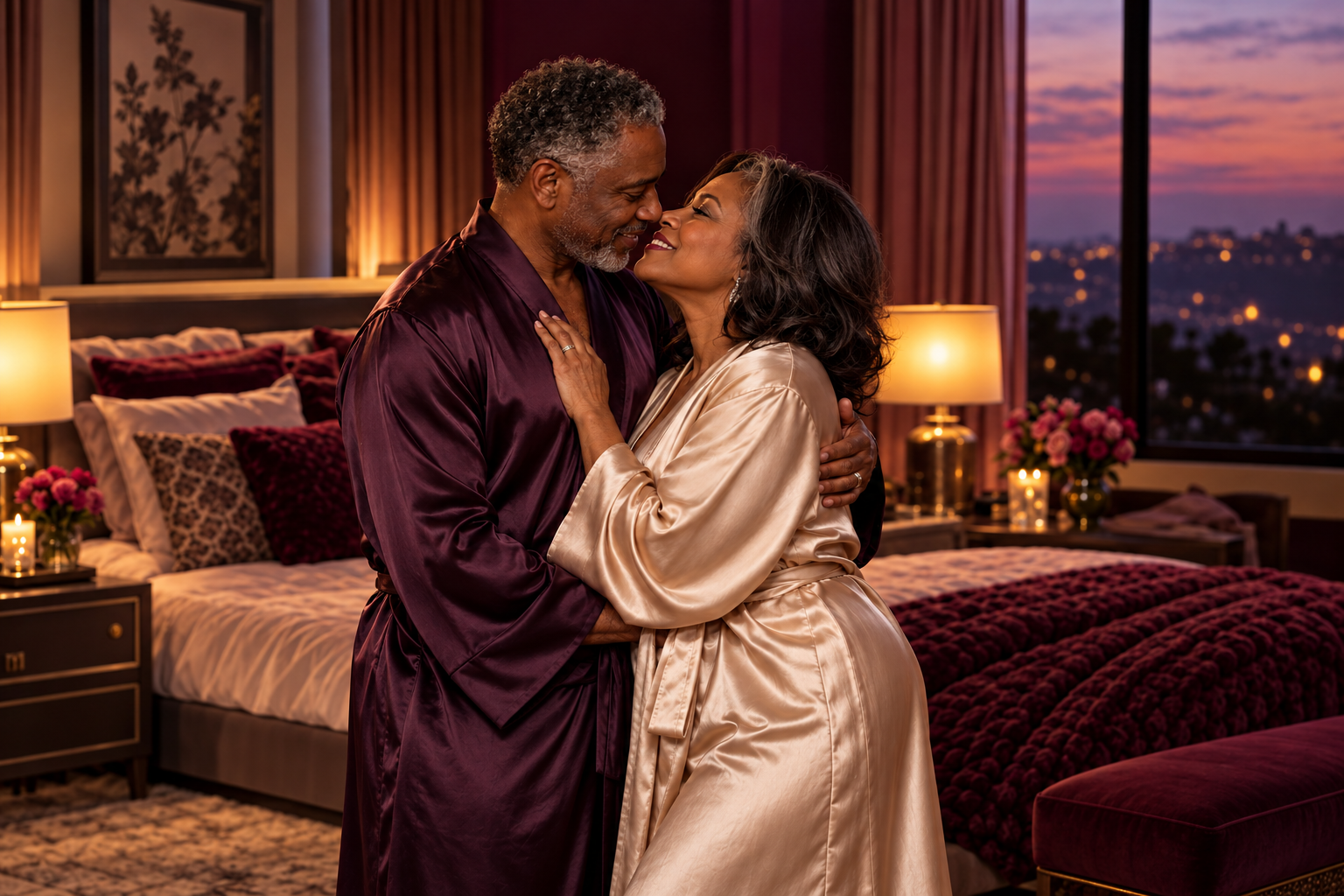
The wedding photographs may be decades old. The attraction does not have to be. A lingering kiss, a private smile, the pleasure of being wanted by the person you married—those things can still belong to your story.
Two articles, from Harvard Health Publishing and Oregon Health & Science University, invite a thoughtful conversation about sex and wellbeing. One examines ejaculation and prostate-cancer risk. The other explores women’s sexual health. Together, they offer reasons to take intimacy seriously without turning pleasure into a medical prescription.
For men: an intriguing prostate connection
Harvard Health’s January 2022 article summarizes observational research linking more frequent ejaculation with a lower likelihood of a prostate-cancer diagnosis. The research counted ejaculation from different circumstances, not simply intercourse within marriage.
An expanded analysis of the same research program, published in 2016, followed 31,925 men. Reporting at least 21 ejaculations a month at ages 40–49 was associated with about a 22% lower relative rate of prostate-cancer diagnosis than reporting four to seven. The association was driven mainly by lower-risk cancers.
That is an association, not proof that ejaculation prevents cancer. The study relied on men’s recollections, was not a randomized experiment, and mostly involved white health professionals. Other differences between the groups may matter. Mayo Clinic likewise says the evidence is not conclusive.
Twenty-one is a research category, not a bedroom quota. These findings do not establish a treatment for prostate cancer or replace an individual discussion about screening and medical care.
For women: pleasure belongs in the health conversation
OHSU’s women’s-health article describes potential benefits involving relaxation, sleep, mood, closeness and temporary pain relief. It also discusses possible cardiovascular and immune benefits; these should not be read as guaranteed outcomes or as treatments for disease.
Its message extends beyond intercourse or orgasm: affectionate touch, kissing and feeling close can also be meaningful. The article describes a connection between more sexual activity and better sexual function, but it does not establish a universal frequency that every woman needs.
It also recognizes that menopause, pain, cancer, depression and pelvic-floor concerns can affect sexuality. Women should be able to discuss these concerns openly with a qualified clinician. More frequent sex is not a substitute for addressing discomfort, and nobody should feel obliged to endure pain to obtain a supposed health benefit.
My perspective: the wedding vows do not retire
My personal Christian belief is that sex belongs within marriage. That is the perspective I bring to this conversation: a husband and wife continuing to enjoy each other, cherish each other and make room for passion throughout their lives.
I do not believe sexual enjoyment should automatically end because the years are passing. I believe married couples can keep nurturing that part of their relationship well into older age.
For me, caring for your health is part of caring for the life you share. Make time for rest. Stay interested in each other. Protect moments that belong to the two of you. Talk about what feels good, what has changed and what you miss.
My encouragement is to pursue your best possible health while remembering that perfect health is not a prerequisite for love or intimacy. Illness, disability, changing hormones or erectile difficulties are not personal failures. They may call for support and a different way of connecting.
Keep the desire. Lose the pressure.
Ask each other: “What helps you feel wanted?” “What feels comfortable now?” “What would make closeness easier for us?”
Mutual willingness matters every time, including within marriage. There is no score to keep, and neither spouse owes the other a frequency target. Tenderness, laughter and honest conversation belong in the bedroom too.
Persistent changes in erections, desire or comfort deserve a conversation with your healthcare professional. You do not have to silently accept distressing changes—or prove anything to anyone.
Growing older does not mean the spark must go out. Sometimes it means learning, together, how to keep it glowing.
For support with everyday wellness goals, explore our general wellness coaching or begin with a free 20-minute phone introduction. Based in New York, Bridgett Renee Health offers phone consultations to clients worldwide. Coaching provides education and support; it does not diagnose or treat sexual dysfunction.
Sources and further reading
- Harvard Health Publishing: Ejaculation frequency and prostate cancer. January 19, 2022. Summarizes earlier research; its older percentage estimates should not be confused with those from the 2016 analysis.
- Oregon Health & Science University: The Benefits of a Healthy Sex Life. Women’s-health education featuring psychiatrist Nicole Cirino, M.D.
- Rider JR and colleagues: Ejaculation Frequency and Risk of Prostate Cancer: Updated Results with an Additional Decade of Follow-up. European Urology, 2016;70:974–982. DOI: 10.1016/j.eururo.2016.03.027.
- Mayo Clinic: Frequent sex—does it protect against prostate cancer? Evidence limitations.
Independent educational commentary. Bridgett Renee Health is not affiliated with or endorsed by Harvard, OHSU or Mayo Clinic. Maurice’s Christian view of marriage is his personal belief, separate from the research findings. This article is not medical advice or a cancer-prevention prescription. The accompanying AI-generated editorial image depicts fictional adults, not patients or a testimonial.

A note about the author.
Maurice Massey is the founder of Bridgett Renee Health, bringing 19 years of hands-on coaching experience. His work is dedicated to the memory of his wife, Bridgett Renee.
Meet Maurice ↗