
By Maurice Massey, Founder & Holistic Wellness Coach, Bridgett Renee Health
After cancer surgery, relief often arrives with a question that is harder to quiet: What if it comes back? Research highlighted by Memorial Sloan Kettering Cancer Center offers an encouraging possibility—helping the immune system recognize the distinctive features of a person’s cancer, so it can better find cells that may remain.
This is the promise behind a personalized mRNA melanoma vaccine. It is an investigational treatment with meaningful human trial results, and a story worth understanding beyond the headline.
A treatment made from your tumor’s clues
Researchers analyze a patient’s removed tumor to identify mutations and select unusual protein targets called neoantigens. The vaccine carries mRNA instructions that help teach the immune system what to recognize. Think of it as preparing a more specific identification guide for the body’s defenses.
In the trial, the vaccine was combined with pembrolizumab, also known as Keytruda. That medicine helps release immune-system brakes that cancer can exploit. The two approaches aim to improve recognition and the ability to respond.
What the human trial found
The phase 3 INTerpath-001 study enrolled 1,137 people with high-risk melanoma that had been completely removed surgically. Participants received pembrolizumab with either the personalized vaccine or a placebo.
After a median follow-up of about two years, the combination reduced the hazard of cancer recurrence or death by 42% relative to the comparison group. Estimated two-year recurrence-free survival was 82.2% versus 70.0%—an absolute difference of 12.2 percentage points. The 42% figure does not mean 42 additional people out of every 100 were cured.
Encouragement, with questions still open
The vaccine remains investigational. Longer follow-up is needed, and overall-survival results are not yet mature. Benefits in this particular melanoma setting cannot automatically be extended to other cancers.
Side effects also matter. MSK describes fever, injection-site pain, and fatigue among common vaccine effects. The trial sponsors reported severe treatment-related adverse events in 14.2% of the combination group and 13.4% of the comparison group. Personalized treatment does not mean risk-free treatment.
What to ask your oncology team
- Does my stage and treatment history resemble the people in this trial?
- Are appropriate clinical trials available to me?
- What benefits, uncertainties, and side effects should I weigh?
For anyone living with the uncertainty of cancer, progress deserves attention. At Bridgett Renee Health, we believe education should help people enter those conversations with clearer questions and a stronger sense of participation.
Explore our cancer wellness coaching for personal support alongside your oncology care. Medical treatment decisions belong with your oncology team.
Sources and further reading
- Memorial Sloan Kettering: Promising New Results for Melanoma mRNA Vaccine, October 23, 2026.
- Merck and Moderna: detailed INTerpath-001 phase 3 results, October 22, 2026. Sponsor-reported results.
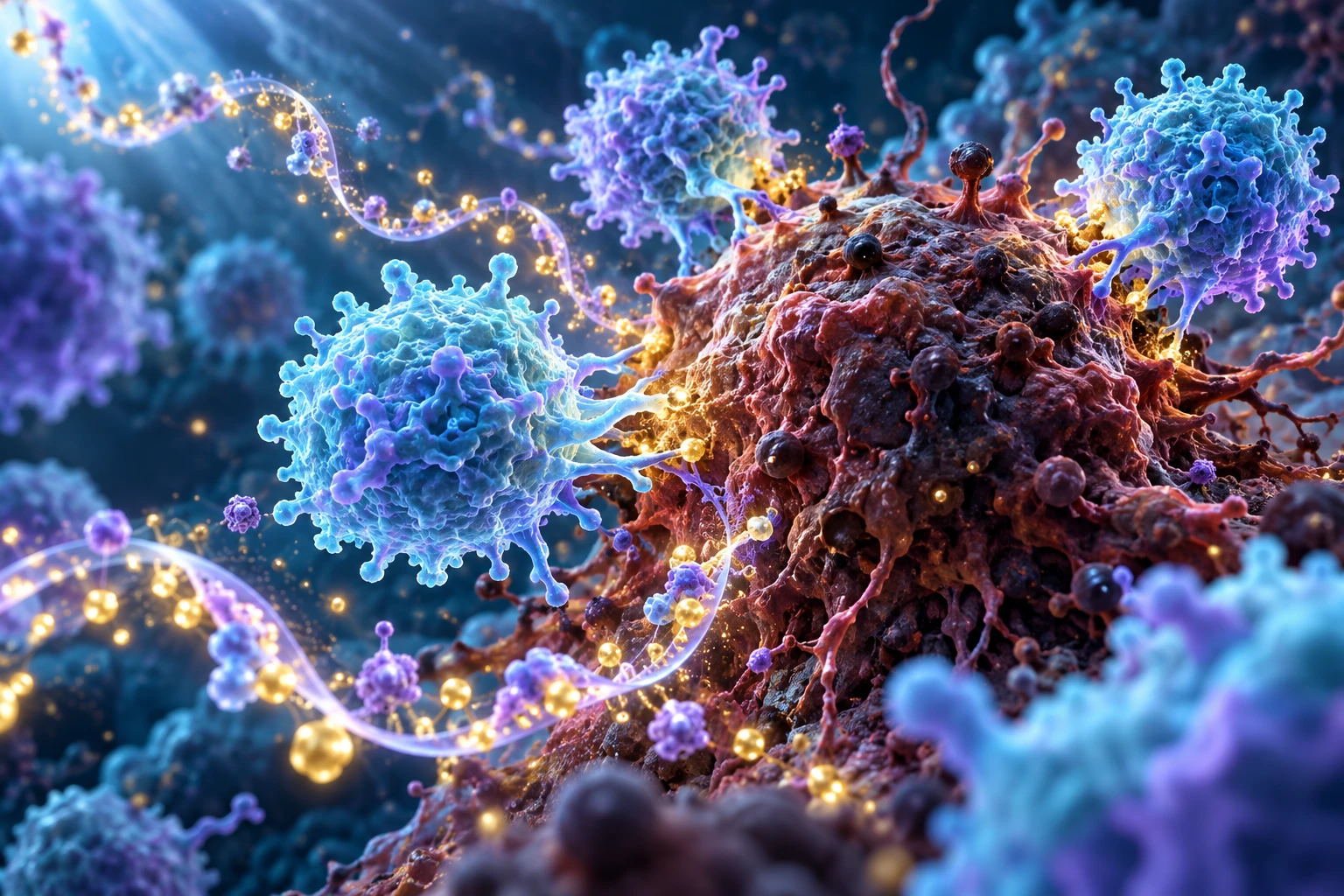
Independent educational commentary. Bridgett Renee Health is not affiliated with MSK, Merck, or Moderna. This article does not provide medical advice or establish that this vaccine is available as routine care. Featured artwork is an original AI-generated conceptual illustration, not a scientific photograph.
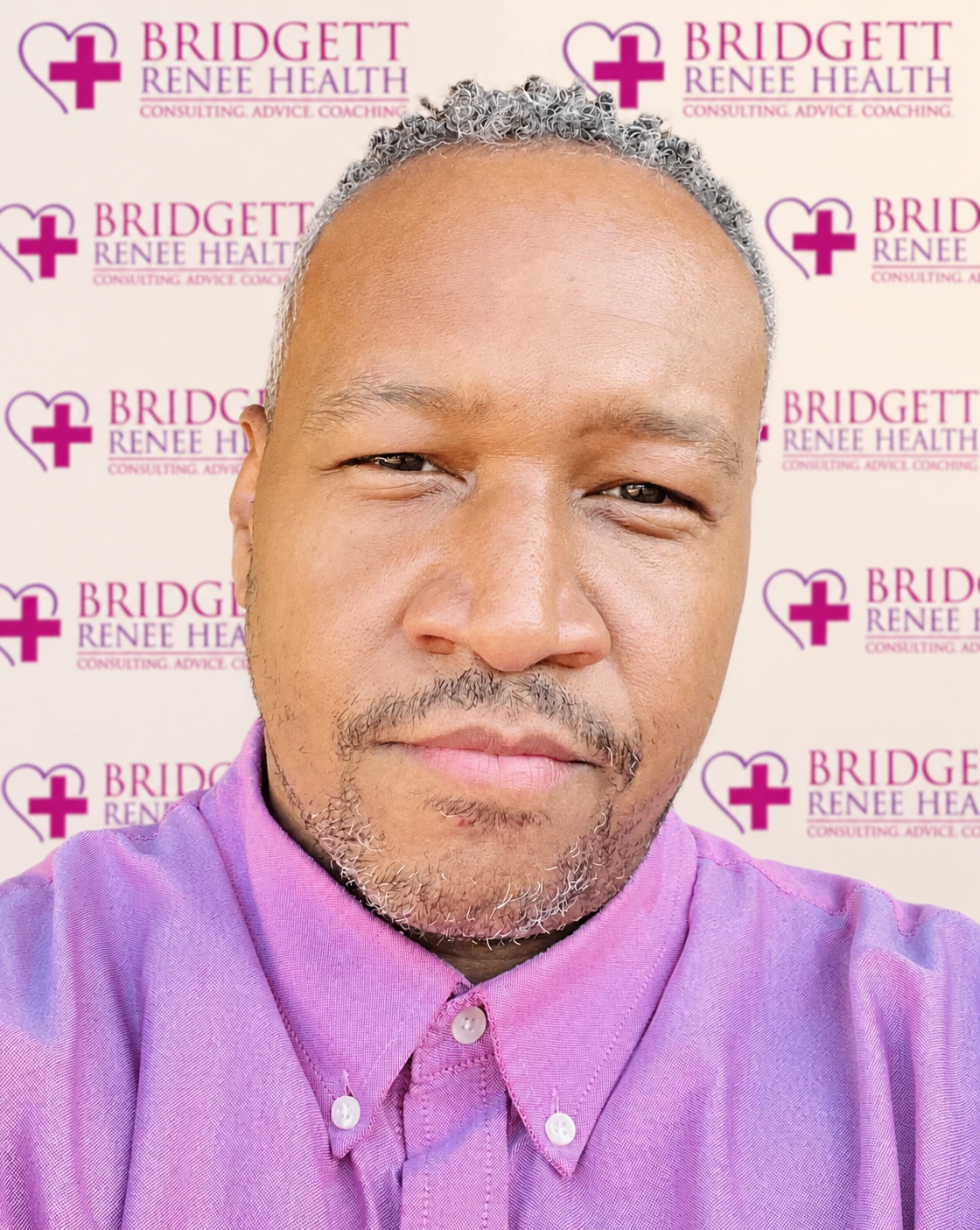
A note about the author.
Maurice Massey is the founder of Bridgett Renee Health, bringing 19 years of hands-on coaching experience. His work is dedicated to the memory of his wife, Bridgett Renee.
Meet Maurice ↗