

Imagine planning your day without calculating every insulin dose—or going to sleep with less fear of a dangerous blood sugar crash. For people living with type 1 diabetes, those possibilities carry enormous meaning. A recent NBC News report highlights research at the University of Chicago Medicine that offers a powerful reason to keep watching the science.
In a small clinical trial, transplanted insulin-producing cells, protected by a drug regimen that includes the experimental medicine tegoprubart, helped participants achieve insulin independence. The results deserve attention—and a clear explanation of what they mean.
Watch the NBC News report
Watch the original report on NBC News’ YouTube channel. Reporting credit: NBC News.
What happened in the trial?
According to Eledon Pharmaceuticals’ June 8, 2026 update, all 12 adults in this pilot study achieved insulin independence: they no longer required ongoing insulin injections or pump-delivered insulin. All had a most recent A1C below 6.5%, averaging approximately 5.4%. A1C is a blood test reflecting average blood sugar over roughly three months.
No severe low-blood-sugar episodes were reported after transplantation. At that update, the median follow-up was eight months, with the longest follow-up at 22 months. These are encouraging early results from a small group, reported by the drug’s developer following a scientific conference presentation.
How does it work? Think of replacing a missing insulin factory
The approach replaces insulin-making cells with donated pancreatic islets—tiny clusters containing cells that produce insulin. Although these cells originally come from a pancreas, the procedure delivers them into the liver through a catheter. The transplanted cells can then take over insulin production.
The next challenge is protecting those cells. The immune system can recognize a donor’s cells as foreign and attack them. Tegoprubart is being studied as part of a combination of medicines intended to prevent rejection while avoiding the islet-cell toxicity associated with some existing transplant drugs. The university’s trial description makes clear that this is an investigational regimen.
Why this is such meaningful news
The daily burden of diabetes reaches far beyond a glucose reading. It can shape meals, work, travel, exercise and sleep. Restoring insulin production could change that experience profoundly. This research gives that possibility a human dimension: real participants reached an outcome that once seemed distant.
Breakthrough T1D, which funds the trial, also reports that all 12 participants achieved insulin independence in the June 2026 results. Its explanation highlights both the promise of cell replacement and the continuing challenge of immunosuppression.
Does this mean type 1 diabetes has been permanently cured?
These findings support hope for a functional cure, but they do not establish a permanent cure for everyone. Participants still need anti-rejection treatment and medical follow-up. Researchers need to establish how durable the benefit is, how safety holds up over time, and who is most likely to benefit. A result in 12 selected adults cannot predict every patient’s outcome.
This report concerns type 1 diabetes and a specialized cell-transplant approach. It does not demonstrate that supplements, coaching or dietary changes can replace insulin. Anyone using insulin should continue their prescribed treatment and discuss research questions with their endocrinologist.
The Bridgett Renee Health perspective
Hope matters. So does understanding what is actually being offered. The most useful response to a breakthrough is to learn how it works, ask thoughtful questions and stay engaged with qualified care.
If this story speaks to you or someone you love, share it. A future with less treatment burden is a goal worth following—and these early results give people a concrete reason to keep looking forward.
Looking for practical support with everyday routines? Explore our diabetes wellness coaching to understand our educational approach alongside your healthcare team. Coaching does not provide cell-transplant treatment or replace insulin.
Sources and further reading
- NBC News: Could breakthrough new treatment cure Type 1 diabetes? — original news report.
- Eledon Pharmaceuticals: June 8, 2026 trial results — developer-reported clinical update.
- UChicago Medicine: Clinical trial NCT06305286 — procedure, investigational treatment and eligibility.
- Breakthrough T1D: Understanding the Eledon trial — trial funder’s explanation and June 2026 update.
Educational research commentary by Bridgett Renee Health. This article does not establish an affiliation with NBC News, UChicago Medicine or the study sponsors and is not personal medical advice.
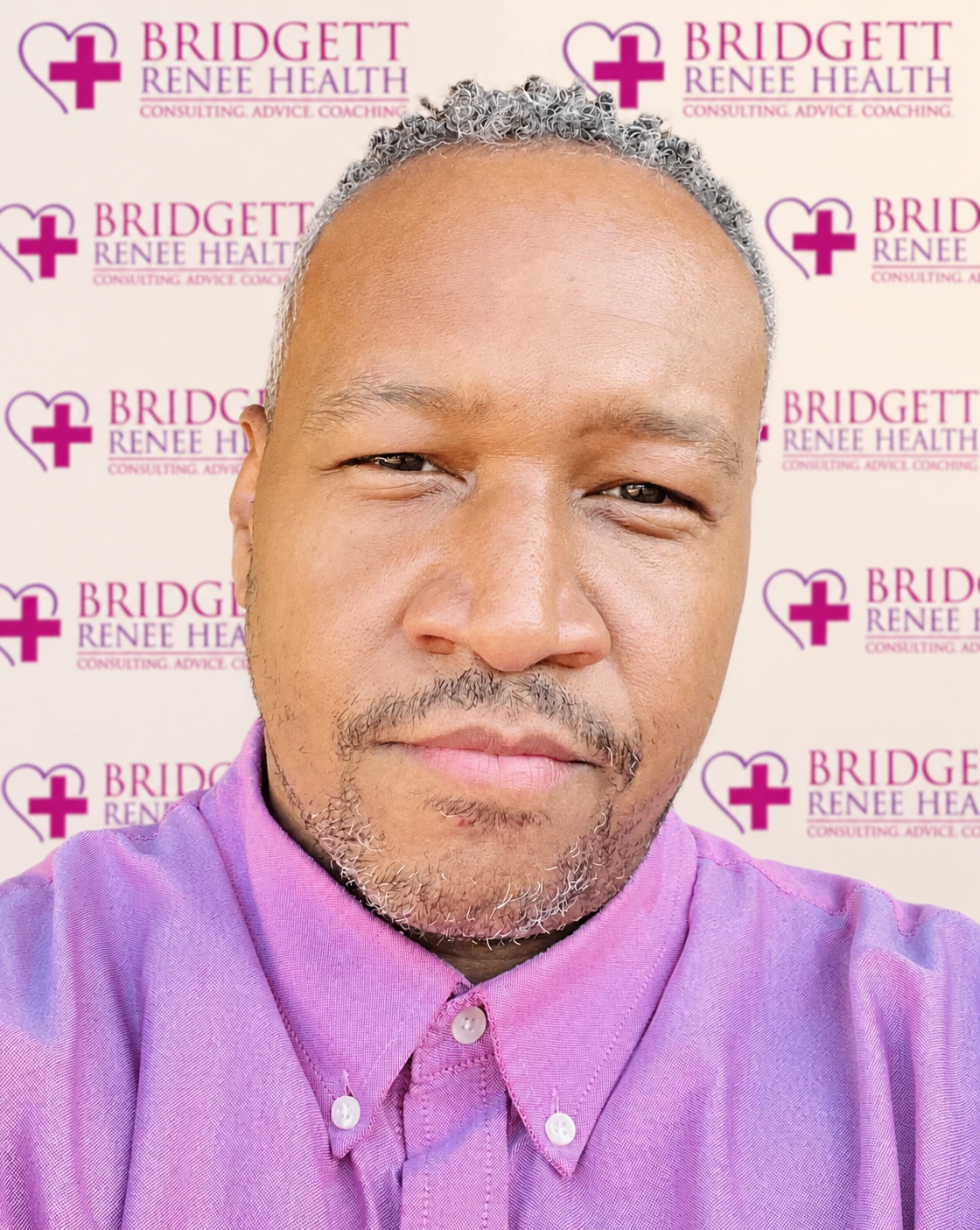
A note about the author.
Maurice Massey is the founder of Bridgett Renee Health, bringing 19 years of hands-on coaching experience. His work is dedicated to the memory of his wife, Bridgett Renee.
Meet Maurice ↗