
Breast Cancer Awareness Month commentary by Maurice Massey, Founder, Bridgett Renee Health
A dandelion is easy to overlook. The science around it deserves a closer look. As Breast Cancer Awareness Month comes to a close, I want to revisit an older study that asks an interesting question: could compounds in a carefully prepared dandelion extract interfere with the way certain breast cancer cells grow?
My interest in holistic wellness includes taking botanical research seriously. That means making room for promising findings while being precise about what was actually tested. The study discussed here was published in Frontiers in Pharmacology on September 6, 2022. It involved cells and mice, not a clinical trial in people.
What is triple-negative breast cancer?
Triple-negative breast cancer, often shortened to TNBC, lacks the estrogen and progesterone receptors and does not have the HER2 overexpression used to guide some other breast cancer treatments. This makes finding effective treatment strategies especially important. “Triple-negative” describes tumor biology; it does not mean that treatment is impossible.
What the 2022 study found
Wang and colleagues studied an extract made from Taraxacum mongolicum, a dandelion species used in traditional Chinese medicine. They tested breast cancer cell lines and two mouse tumor models. The extract reduced cancer-cell growth and movement in laboratory experiments and reduced tumor growth in the mice.
The researchers also examined changes in proteins and lipids—the fats and related molecules cells use. Their findings pointed toward changes in the machinery cancer cells use to build and maintain their membranes.
The science in everyday language
Think of a growing cell as a building site. To make more cells, it needs materials for new outer walls. Some of those materials are specialized fats called phospholipids.
In this study, dandelion extract reduced the activity or expression of parts of that supply system. One important finding involved CHKA, an enzyme that helps make membrane-building materials. The researchers also reported changes in the PI3K/AKT signaling pathway and proteins involved in fatty-acid metabolism.
This gives researchers a possible explanation for the slower cell growth they observed. It does not establish that changing dietary fat intake reproduces the effect, or that drinking dandelion tea treats breast cancer.
A laboratory extract is different from a cup of tea
The researchers used a processed, purified extract of the whole dried plant. In the mouse experiments, the extract was injected into the abdominal cavity. That is very different from eating greens, drinking tea, or taking a store-bought capsule.
The study does not establish a safe or effective human cancer dose, prove improved survival in patients, or show that commercial dandelion products work like the tested extract. Those questions require additional research, including carefully designed human trials.
An interaction finding that belongs in the conversation
A separate 2022 study examined dandelion alongside doxorubicin, a chemotherapy medicine. In cell and mouse experiments, dandelion reduced doxorubicin’s anticancer activity. The researchers linked this to increased activity of P-glycoprotein, a transporter that can move the drug out of cells.
That is a preclinical interaction signal, not a measured estimate of risk in patients. It is nevertheless a clear reason to discuss dandelion products with your oncologist or oncology pharmacist before using them during treatment. A promising botanical finding does not automatically mean that combining it with a medicine is beneficial.
My perspective: curiosity and careful questions can coexist
I believe plants deserve thoughtful scientific attention. Studies like this can help researchers discover useful biological targets and decide which possibilities deserve further investigation. I also believe readers deserve the whole picture, including the unanswered questions and interaction findings.
For me, the value of revisiting this research during Breast Cancer Awareness Month is the opportunity to turn an intriguing headline into a better conversation. What was tested? Was it tested in people? Does the preparation match the product being discussed? Could it interfere with someone’s current treatment?
Those questions protect the difference between hope and a promise. This is a research lead worth understanding, not a reason to delay, stop, or replace breast cancer care.
If you would like support organizing your questions and everyday wellness goals, explore our cancer wellness coaching or start with a free 20-minute phone introduction. You can also use our appointment-preparation checklist. Coaching provides education and personal support alongside your licensed healthcare team.
Research references and further reading
- Wang S, et al. (2022). Dandelion extract inhibits triple-negative breast cancer cell proliferation by interfering with glycerophospholipids and unsaturated fatty acids metabolism. Frontiers in Pharmacology, 13:942996. DOI: 10.3389/fphar.2022.942996. Primary study discussed in this commentary.
- Induction of P-glycoprotein expression by dandelion in tumor and heart tissues: Impact on the anti-tumor activity and cardiotoxicity of doxorubicin. Phytomedicine (2022). DOI: 10.1016/j.phymed.2022.154275. Preclinical interaction research.
- Reader-submitted further reading: GreenMedInfo’s dandelion and triple-negative breast cancer abstract listing. The primary paper identified above is the basis of this commentary.
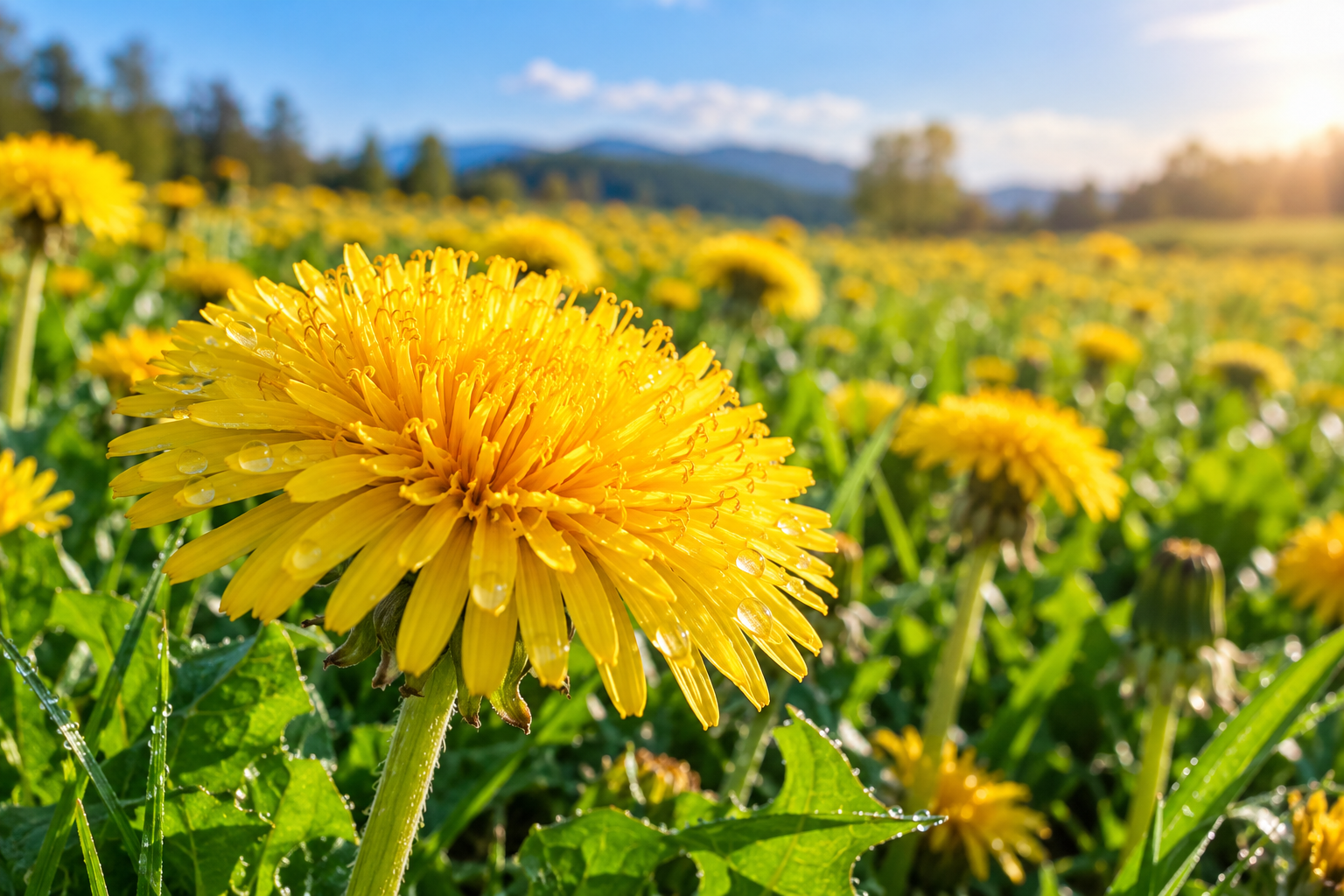
Independent educational commentary by Maurice Massey, Bridgett Renee Health. Not affiliated with the researchers, journals, or GreenMedInfo. This article does not provide medical advice or a dandelion treatment protocol. Featured image is original AI-generated botanical artwork, not a photograph of the exact plant material used in the study.

A note about the author.
Maurice Massey is the founder of Bridgett Renee Health, bringing 19 years of hands-on coaching experience. His work is dedicated to the memory of his wife, Bridgett Renee.
Meet Maurice ↗