

By Maurice Massey, Founder, Bridgett Renee Health
Finishing cancer treatment can bring relief—and a new set of questions. What can I do now? How can I rebuild my routine? Which wellness advice deserves my attention?
A major study offers an encouraging answer for a specific group of colon cancer survivors: a structured exercise program, with ongoing professional support, can make a meaningful difference after treatment. The findings deserve attention because they come from a randomized clinical trial, rather than testimonials or a laboratory experiment.
What did the CHALLENGE trial study?
The CHALLENGE trial, published in the New England Journal of Medicine in 2025, included 889 people at 55 centers. Participants had undergone surgery for colon cancer and completed adjuvant chemotherapy. They were randomly assigned to a three-year structured exercise program or health-education materials alone. Read the original study.
The population consisted of people with stage III or high-risk stage II colon cancer. This matters: the results should not automatically be applied to every cancer, every stage, or every person currently receiving treatment.
What were the results?
After a median follow-up of 7.9 years, the exercise group had a lower hazard of the combined outcome of cancer recurrence, a new primary cancer, or death: a hazard ratio of 0.72, often described as a 28% relative reduction.
At five years, disease-free survival was estimated at 80.3% in the exercise group versus 73.9% in the education group—an absolute difference of 6.4 percentage points. Disease-free survival includes more than cancer recurrence alone. These figures describe group results, not a prediction for an individual. See the study abstract and results.
This was more than advice to “get moving”
The program included personalized activity goals and repeated contact with trained professionals. Participants could choose activities they enjoyed, such as walking. The Canadian Cancer Society describes a goal of adding about 2.5 hours of exercise per week to participants’ usual activity.
The practical lesson is that follow-through deserves support. A printed recommendation and a supported routine are different experiences. The trial tested the full program; it did not isolate the effect of encouragement, walking alone, or a particular coaching business. Read the trial funder’s explanation.
What should readers do with this information?
Use the findings to start a conversation with your oncology team. The American Cancer Society’s explanation emphasizes an individualized plan guided by a trained professional, with activity choices suited to the person. Read its patient-friendly overview.
Use our health appointment preparation checklist to organize your notes, medication and supplement list, and questions for your healthcare team.
Consider bringing these questions to your next appointment:
- Does this study apply to my diagnosis and treatment history?
- Am I ready to increase my activity, and what should my starting point be?
- Would an oncology rehabilitation or cancer exercise specialist be appropriate?
- Do fatigue, balance problems, neuropathy, an ostomy, or other health conditions change my plan?
- Which symptoms mean I should stop and contact my care team?
The study also reported more musculoskeletal adverse events in the exercise group: 18.5% versus 11.5%. That is another reason to build a plan around your abilities rather than copying someone else’s routine.
Hope without pressure or blame
Recovery looks different for everyone. If movement is difficult today, that is information your care team can use to help you. It is not a personal failure. Recurrence is not proof that someone failed to exercise enough.
The encouraging message is that life after treatment deserves attention, practical planning, and support. You can ask for help turning broad advice into a routine that fits your circumstances.
Sources and further reading
- Courneya KS and colleagues. Structured Exercise after Adjuvant Chemotherapy for Colon Cancer. N Engl J Med. 2025;393:13–25. DOI: 10.1056/NEJMoa2502760.
- Queen’s University Belfast. Research record and study abstract.
- Canadian Cancer Society. World-first clinical trial confirms exercise improves survival for colon cancer. June 1, 2025.
- American Cancer Society / ASCO. Diet and Exercise for Colon Cancer Survivors: What the Latest Science Says. July 24, 2025.
About the author: Maurice Massey is the founder of Bridgett Renee Health and a holistic wellness coach. This article provides education, not medical diagnosis or an individualized exercise prescription. Exercise complements appropriate cancer care; it does not replace surgery, chemotherapy, follow-up, or other recommended treatment.
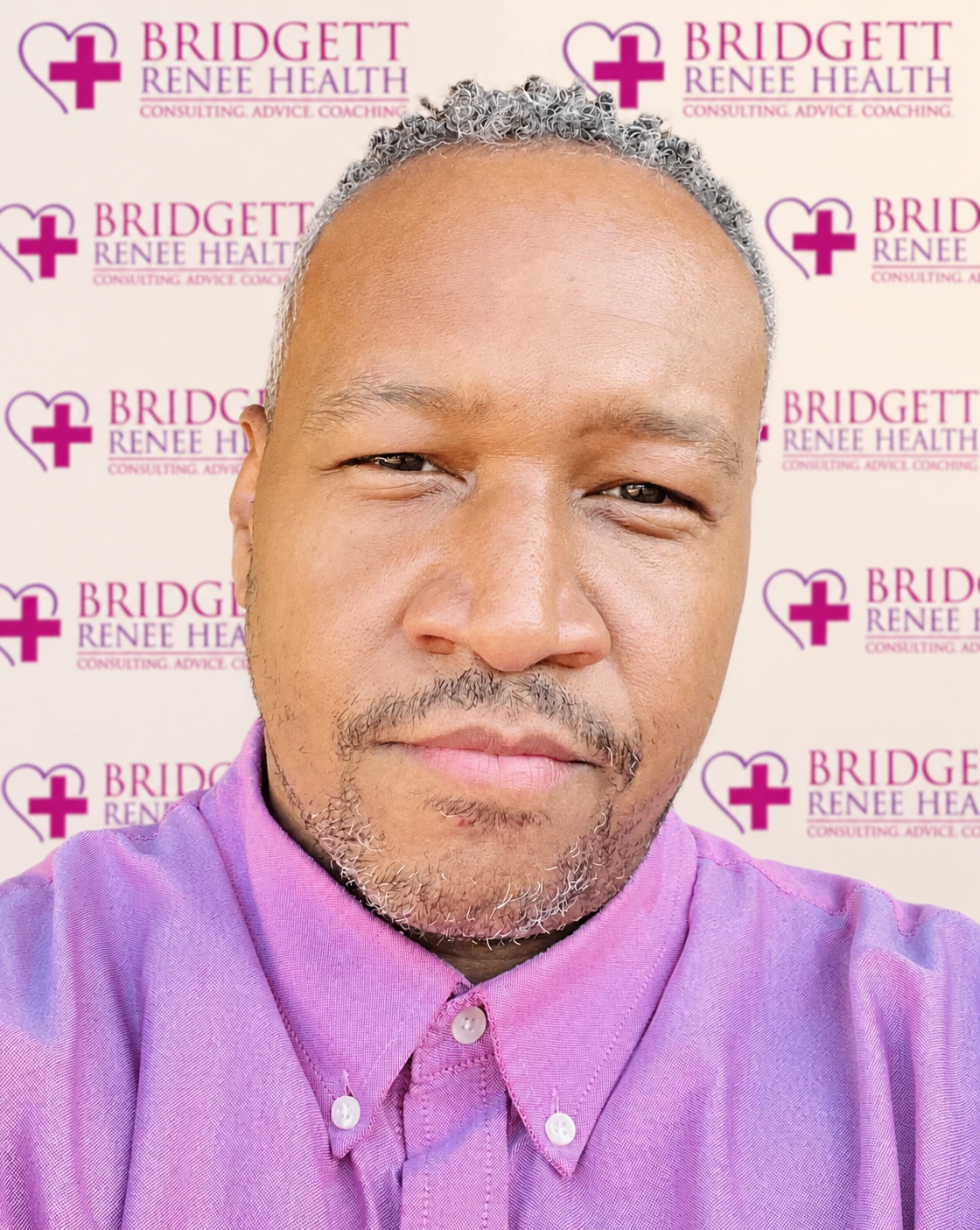
A note about the author.
Maurice Massey is the founder of Bridgett Renee Health, bringing 19 years of hands-on coaching experience. His work is dedicated to the memory of his wife, Bridgett Renee.
Meet Maurice ↗